Food & Cooking
Food & Cooking
Food Is Not Just Food. It Is Calories, Water, Fuel, And Control.
Most people think food shortages happen when food disappears. They usually happen when access disappears.
Stores empty. Roads close. Lines get longer. Deliveries stop. People buy more than they normally would.
The household with food stays home. The household without food starts making decisions.
Stored calories. Hot water. Controlled fuel. Minimal smell.
The First Rule Of Food Preparedness
A food plan is not a pile of random groceries.
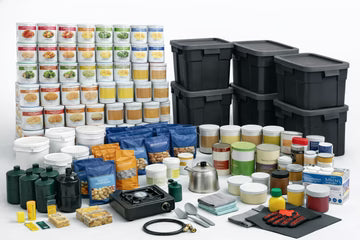
A real food system includes counted calories, stored water, safe hot-water preparation, fuel, tools, storage, routine, and food people in the home can actually eat.
Store enough food that leaving home is a choice, not a requirement.
Food should help keep your household inside the home, not force movement, long cooking times, strong smells, or repeated cleanup.
How This Food System Works
This system is designed around simple food that stores well, prepares quickly, and does not create unnecessary attention.
Count Calories
Know what one day of food looks like for the household before buying randomly.
Match Water And Fuel
Freeze-dried meals only work if you have stored water and a reliable hot-water method.
Add Fallback Food
No-cook calories protect you when hot water, fuel, or safe cooking becomes limited.
Rule: counted calories + stored water + safe heat + no-cook backup = a real food system.
Start With A Simple Calorie Baseline
Adults: plan around 2,000 calories per day.
Children: plan around 1,500 calories per day.
Build the first 30 days properly before scaling to 60 or 90 days.
Most households do not have a food system. They have random food in cupboards. That is not the same thing.
If anyone in the home has food allergies, diabetes, digestive issues, low-sodium needs, religious food restrictions, or other diet requirements, those foods must be planned separately before the emergency.
Build The Base With Freeze-Dried And Dehydrated Food
Freeze-dried and dehydrated meals give you clean long-term coverage: shelf-stable, compact, easy to portion, quick to prepare, low odour, and minimal cleanup.
Routine: boil water, pour into pouch, seal, wait, eat.
No simmering. No frying. No greasy pans. No long flame time.
Canadian retailers to compare:
Note: Items shown are examples only, not specific recommendations. Some links may be affiliate links and may support the site at no extra cost to you.
 |
 |
 |
American retailers to compare:
 |
 |
 |
Support Foods, Boosters, And Morale
Freeze-dried food gives fast, clean coverage. Support foods make the system stronger, cheaper, and more familiar.
Good support foods include rice, pasta, instant potatoes, canned beans, canned vegetables, canned fruit, powdered milk, soup base, bouillon, salt, sugar, and basic spices.
Calorie boosters matter too. Nut butters, olive oil, protein powder, energy bars, instant oats, trail mix, and shelf-stable meat pouches add calories without long cooking.
Boosters should be counted as part of the food system, not treated as casual snacks. If they disappear early, your calorie margin disappears with them.
Morale matters. Coffee, tea, electrolytes, broth, sweetener, honey, and small comfort foods help people stay calm and stick to the plan.
Core support foods:
 |
 |
 |
 |
 |
 |
 |
 |
 |
 |
 |
 |
 |
 |
 |
Food storage tools:
 |
 |
 |
Calorie boosters:
 |
 |
 |
 |
 |
 |
Morale, drinks, and comfort items:
 |
 |
 |
 |
 |
 |
 |
 |
 |
Pets Are Part Of The Food System
Most households plan for people and forget pets.
During disruptions, pet food disappears quickly, and pets do not adapt well to sudden diet changes.
Store at least 30 days of pet food and build toward 60–90 days for a true long-duration plan. Store food your pets already eat whenever possible. A prolonged disruption is not the time to change diets. Store extra water specifically for pets and keep food sealed against pests.
If pets are not included in your plan, your system is incomplete.
The Hot-Water System
This plan is built around hot water, not full cooking.
You need a non-electric kettle, a hot-water method used only as its instructions allow, controlled batch heating, safe setup, and proper ventilation when fuel-burning equipment is used.
Electric kettles can be useful if your power system supports them, but they should not be the only plan.
Hot water is what makes freeze-dried food practical day after day.
Example hot-water and simple cooking equipment:
 |
 |
 |
 |
 |
 |
Water Reality
Food depends on water. Freeze-dried meals require stored water for rehydration, hot drinks, and minimal cleanup.
A household with 90 days of freeze-dried meals but only a few days of water does not have a 90-day food system.
Fuel Planning And No-Cook Backup
This plan is based on short, controlled hot-water use, not full indoor cooking.
Simple planning number: plan around 2 × 1-lb propane cylinders per person per week.
This gives margin for cold water, longer heat cycles, extra hot drinks, poor flame control, stress, and routine changes.
Better approach: store 20-lb propane tanks outside and refill approved refillable 1-lb cylinders for controlled use.
Boil once per cycle. Use a lid. Do not simmer. Do not reheat repeatedly. Track fuel use weekly.
Example fuel storage and refill equipment:
 |
 |
 |
No-Cook Fallback
If hot water becomes unsafe, impossible, or limited, you still need calories.
Minimum: 3–7 days of ready-to-eat food per person. Better: 7–14 days per person if space and budget allow.
This prevents the “we need to go out” decision.
Example no-cook fallback foods:
 |
 |
 |
Storage, Organization, And Rotation
All food should already be inside the home before disruption begins.
No garage reliance. No “we’ll move it later.”
Organize into meal bins, booster bins, drink bins, no-cook bins, and medical-diet or allergy-safe bins if needed.
Label every container with purchase date, replace-by date, and total calories inside.
Food disappears faster than people expect when nobody is counting. Portion by day or by week. Do not let boosters become casual snacks. Keep no-cook items protected for real fallback use.
Keep the system simple enough that it still works when people are tired, cold, and stressed.
Example food handling and storage tools:
 |
 |
 |
Example rotation and storage supplies:
 |
 |
 |
Indoor Safety And Micronutrients
Any fuel-burning hot-water setup adds real risk.
Use a carbon monoxide alarm, fire extinguisher, stable cooking surface, clear area around flame, two ignition methods, and proper ventilation according to the appliance instructions.
If the CO alarm activates, shut the appliance down immediately and ventilate.
Example cooking safety equipment:
 |
 |
 |
Calories keep you alive. Micronutrients help keep you functioning.
Long indoor periods mean less sun exposure and less fresh food. A daily multivitamin, vitamin D3, and electrolyte mix take little space and can reduce avoidable fatigue.
Example micronutrient supplies:
 |
 |
 |
Food System Check
A food system only works if the food, water, fuel, and tools are checked before they are needed.
Check opened foods, booster bins, no-cook food, pet food, fuel count, stored calories, diet needs, allergy-safe foods, and water needed to support meals.
Inspect cans, dry goods, seals, bins, pest protection, labels, replace-by dates, tools, can opener, kettle, fuel adapter, and safety gear.
Do not wait until a disruption to discover you have calories but no fuel, freeze-dried meals but no water, canned food but no opener, or food that nobody in the house can actually eat.
Quick Summary
- Food shortages often start when access disappears
- Store enough food that leaving home is a choice, not a requirement
- Start with a counted calorie baseline
- Build the first 30 days properly before scaling to 60 or 90 days
- Use freeze-dried and dehydrated meals as the clean long-term base
- Add support foods, boosters, and morale items
- Keep 3–7 days of no-cook calories minimum, and 7–14 days if possible
- Store enough water to actually prepare the food
- Use a safe hot-water method, not full indoor cooking
- Plan fuel and track use weekly
- Include pets, medical diets, allergies, and restrictions
- Store food inside the home before the disruption
- Label containers with dates and calorie totals
- Keep a manual can opener and basic tools with the food system
- Add CO alarm, fire extinguisher, and safe cooking setup
- Check food, water, fuel, and tools before they are needed
Hard rule: if you do not have counted calories, stored water, a safe hot-water method, counted fuel, proper storage, basic tools, and food people can actually eat, you do not have a food system.