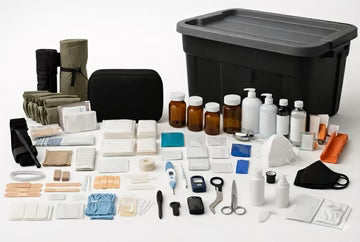
Medical Readiness
Medical Readiness
Small Medical Problems Become Big Problems Fast.
Medical readiness is not about building a fantasy trauma kit.
It is about the practical problems of extended indoor living: cuts, burns, fevers, dehydration, tooth pain, stomach illness, prescription shortages, and chronic conditions that do not pause because the power is out.
The goal is simple: keep small problems controlled before they force harder decisions.
The First Rule Of Medical Readiness
Most medical problems during a disruption will not look dramatic at first.
They will look small, annoying, and easy to ignore — right up until they force a bad decision.
Medical readiness helps the household stay functional, stay calm, and recognize when a problem is improving, stable, or getting worse.
This page is about preparedness planning and organization. It does not replace medical advice, diagnosis, or treatment. Follow product labels and guidance from your clinician or pharmacist. In emergencies, seek urgent care.
How This Medical System Works
This system is built around organization, infection prevention, symptom control, monitoring, prescription continuity, and knowing when to escalate.
Organize
Supplies are labelled by problem: bleeding, burns, fever, stomach, allergies, dental, prescriptions, and monitoring.
Stabilize
The goal is sleep, hydration, pain control, fever control, and preventing small wounds from getting worse.
Monitor
Use simple logs and basic tools so you can tell whether someone is improving, stable, or getting worse.
Rule: stability first. If people cannot sleep, hydrate, manage pain, or control fever, everything else degrades.
The Home Clinic Mindset
You are building a simple, realistic home clinic — something you can actually use under stress.
Fast access matters. Infection prevention matters. Symptom control matters. Monitoring matters.
Most households own first aid. Most households cannot find it when they need it.
Set up three layers: a grab kit for everyday injuries, an illness kit for fever and stomach problems, and a personal kit for prescriptions, devices, and condition-specific supplies.
Label by use-case, not product name: BLEEDING, BURNS, FEVER, STOMACH, ALLERGIES, DENTAL, PRESCRIPTIONS.
Keep a small care-station tote inside the warm core with gloves, wipes, thermometer, basic meds, and bandages.
Medical Grab Folder
Keep one small folder or waterproof pouch with medication lists, allergies, medical conditions, pharmacy information, doctor or clinic contacts, emergency contacts, copies of health cards, insurance information if relevant, and recent prescription labels.
If someone has to leave quickly, this folder goes with them.
Example organization and medical folder supplies:
Note: Items shown are examples only, not specific recommendations. Some links may be affiliate links and may support the site at no extra cost to you.
 |
 |
 |
Core First Aid
This is the everyday injury layer: cuts, burns, sprains, eye irritation, slips, and minor wounds that happen when people are tired, cold, stressed, and doing everything the hard way.
Core supplies include assorted bandages, gauze pads, gauze rolls, medical tape, cohesive wrap, elastic wrap, burn dressings, burn gel, eyewash, sterile saline, tweezers, trauma shears, safety pins, and instant cold packs.
Burn reality: burns are common in outages because people cook with unfamiliar stoves, candles, hot water, and improvised setups.
Supplies do not replace skill. At least one adult in the home should take basic first aid and CPR training.
Example household first aid and injury-care supplies:
 |
 |
 |
 |
 |
 |
 |
 |
 |
 |
 |
 |
Example burn and flush supplies:
 |
 |
 |
Wound Care And Infection Prevention
In disruptions, infections grow quietly. A small cut can become a serious problem if it is ignored or kept dirty.
Routine: clean, dry, protect, cover, re-check.
Stock saline or wound wash, antiseptic wipes, antibiotic ointment as appropriate, closure strips, gloves, hand sanitizer, and a small lidded trash bag or bin for contaminated wipes and gloves.
If you touch a wound, use gloves. Infection control is a workflow, not a pile of products.
Illness Management
When people are stuck indoors longer, minor illness can weaken the whole household.
Plan for fevers, viral illness, sinus or chest congestion, stomach bugs, dehydration, pain flare-ups, skin irritation, and minor infections.
Useful supplies include pain and fever control, antihistamines, anti-diarrheal support, oral rehydration support, antacids, digestive support, cough and cold relief, topical hydrocortisone, and antifungal support.
Keep a written dose log when someone is sick. Fatigue causes double-dosing mistakes.
Example household illness supplies:
 |
 |
 |
 |
 |
 |
 |
 |
 |
 |
 |
 |
 |
 |
 |
Hydration And Monitoring
Dehydration is one of the fastest ways people deteriorate indoors, especially with fever, vomiting, or diarrhea.
Oral rehydration is not the same as “drink water.” Electrolytes can help reduce weakness, headaches, and nausea when used appropriately.
If someone is sick, track intake. “I think they drank enough” is not a plan.
Monitoring turns guessing into decisions. Use a digital thermometer, pulse oximeter when appropriate, blood pressure cuff if needed, and glucose supplies if diabetic.
When someone is sick, record time, temperature, symptoms, meds given, fluids taken, and relevant readings.
Example hydration and electrolyte supplies:
 |
 |
 |
Example monitoring tools:
 |
 |
 |
Dental Pain
Dental pain forces people out of the house faster than most preparedness problems.
It destroys sleep, breaks discipline, and can turn one person’s pain into a household problem.
Useful basics include temporary dental filling material, clove oil or dental pain gel, dental mirror, tweezers, and soft foods for flare-ups.
Reality: you do not need tactical. You need sleep and pain control.
Example dental support supplies:
 |
 |
 |
Prescriptions And Medical Continuity
For most households, the biggest medical risk is not trauma. It is running out of routine meds during disruption.
Keep a written medication list with drug name, dose, prescriber, pharmacy, and refills remaining. Request refills early when allowed. Ask your pharmacist what they can do if you cannot reach your doctor.
Keep spares of critical devices where possible: inhaler spacers, extra test strips, spare batteries, and condition-specific supplies.
Prescription continuity should be planned before the disruption, not after pharmacies are closed, roads are blocked, or supply chains are stressed.
Emergency Prescription Options
Some households choose to discuss emergency prescription options with a clinician or pharmacist.
Jase Medical is one example of a service that presents emergency medication kits after medical intake, clinician review, and pharmacy fulfillment where available.
Never treat prescription meds like casual gear. Keep the paperwork with them and follow clinician or pharmacist direction.
Cold Stress And Illness Containment
Cold homes create medical problems even when nobody is injured: cracked skin, dry lips, respiratory irritation, worsened joint pain, fatigue, and poor sleep.
Simple supports include heavy moisturizer, lip balm, extra socks, thermal layers, warm drinks, and humidity control when practical.
When one person gets sick indoors, the biggest risk is spread and loss of function across the household.
Keep masks when needed, disposable gloves, disinfecting wipes or spray, dedicated cup and utensils for the sick person, trash bags, and a simple disposal routine.
A well-stocked medical system helps reduce unnecessary movement during instability, while still making it clear when professional care is needed.
Example illness-containment supplies:
 |
 |
 |
When To Escalate
This plan is about stability indoors. It is not pretending you can replace a clinic.
Have a simple escalation plan. Know your local urgent care or hospital route and write it down. Keep key health information ready. Use monitoring to spot worsening trends.
Seek urgent medical help if there is trouble breathing, chest pain, confusion or fainting, severe dehydration, uncontrolled bleeding, signs of stroke, serious burns, severe allergic reaction, worsening infection, high fever that is not improving, severe abdominal pain, or injury to the head, neck, eye, hand, or deep puncture wound.
This plan helps with preparedness. It does not replace medical care.
Medical System Check
A medical system only works if it is stocked, organized, and current before someone needs it.
Check prescription refill status, expiry dates, batteries in monitoring devices, thermometer, pulse oximeter, BP cuff, bandages, gloves, sanitizer, wound supplies, medication lists, sick-room supplies, and medical grab folder contents.
Do not wait until someone is sick, injured, cold, or exhausted to find out the thermometer is dead or the fever medication expired two years ago.
Quick Summary
- Build a care station inside the warm core
- Organize supplies by problem: bleeding, burns, fever, stomach, allergies, dental, prescriptions
- Plan for illness, dehydration, and infection prevention
- Track prescriptions and refills before they become urgent
- Add monitoring tools where appropriate
- Build a medical grab folder
- Use paper logs for doses, symptoms, and fluids
- Add illness containment basics to prevent household-wide spread
- Take basic first aid and CPR training if possible
- Know when to seek medical help
Medical readiness is not about treating everything yourself.
It is about preventing small problems from forcing unnecessary decisions.